
Craft
The Open-Plan Kitchen Is Getting Its Walls Back
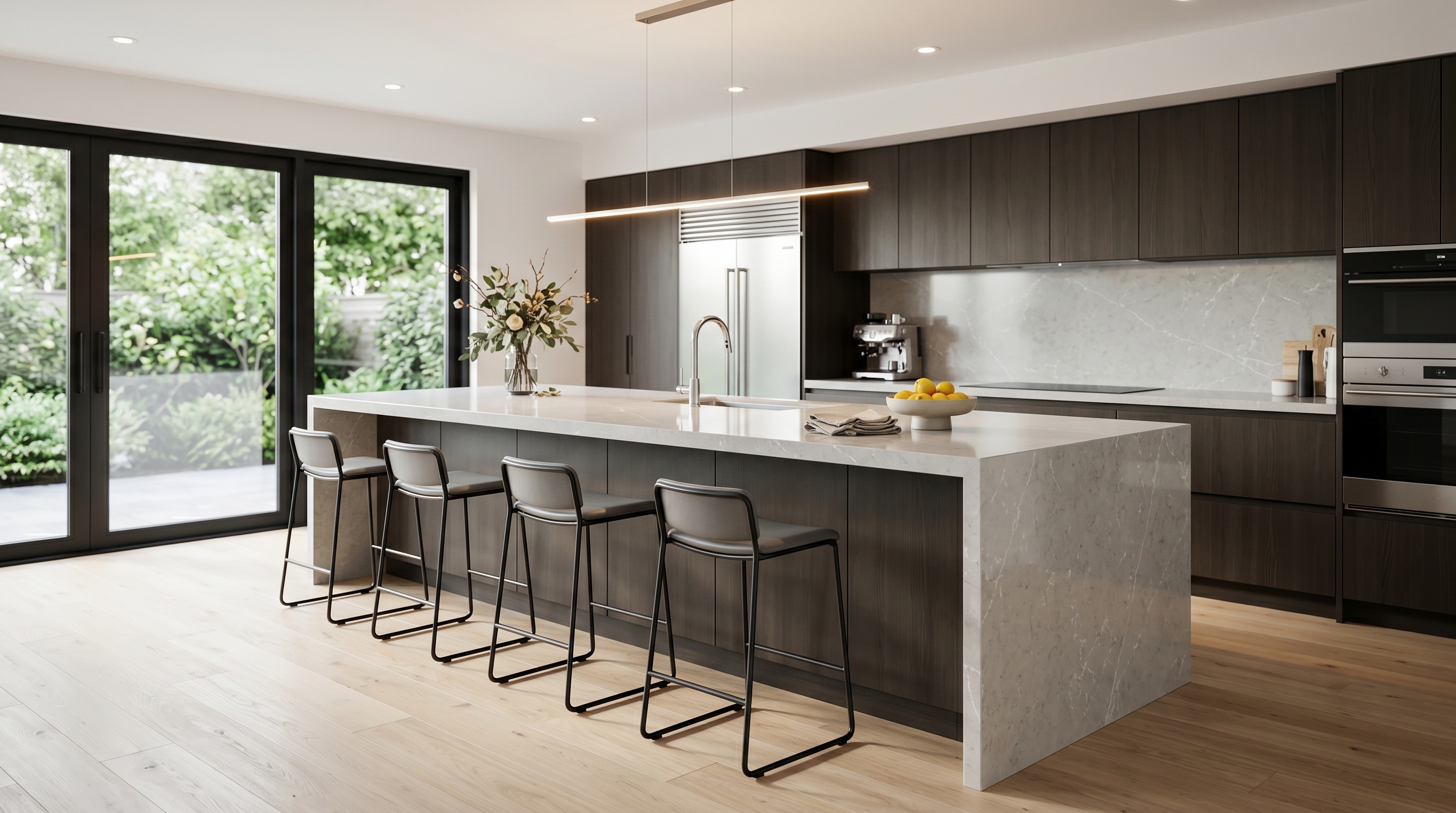
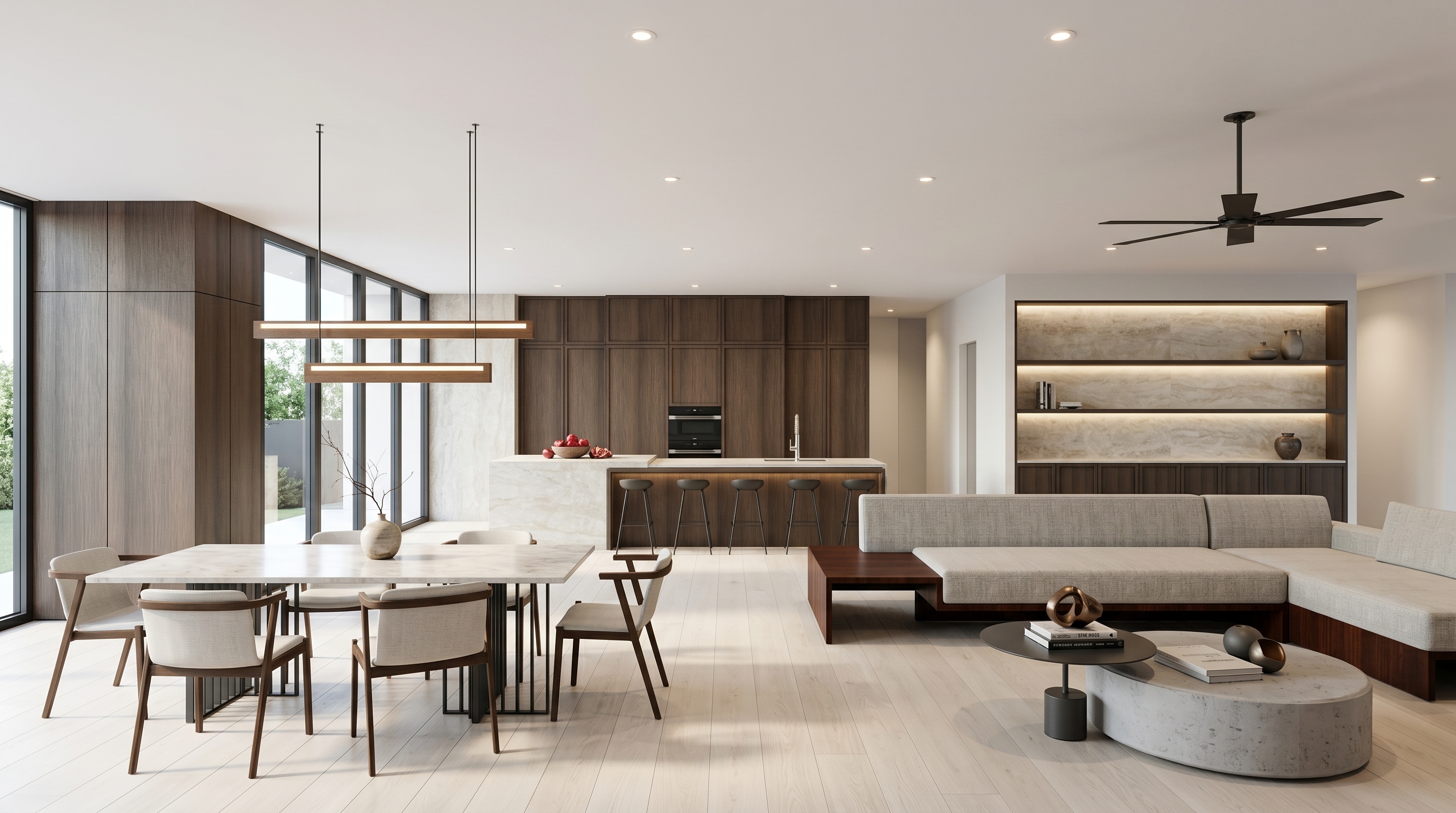
The open-plan kitchen was sold as the final word in modern living. The designers shaping 2026 are quietly putting the walls back — not the old ones, and not where they were.
For two decades, the brief never changed: take down the wall. The open-plan kitchen became shorthand for a modern home — light, flow, the cook never exiled from the conversation. Knocking through was the first line of almost every renovation, and questioning it felt like questioning daylight.
The questioning has started anyway. The designers shaping the most considered kitchens of 2026 are putting walls back. Not the boxed-in galley your grandparents cooked in — something more deliberate. The open-plan kitchen isn't dying. It's getting edited.
The reflex to open everything up solved a real problem and quietly created a new one: a kitchen that can never be switched off.
The promise that aged badly
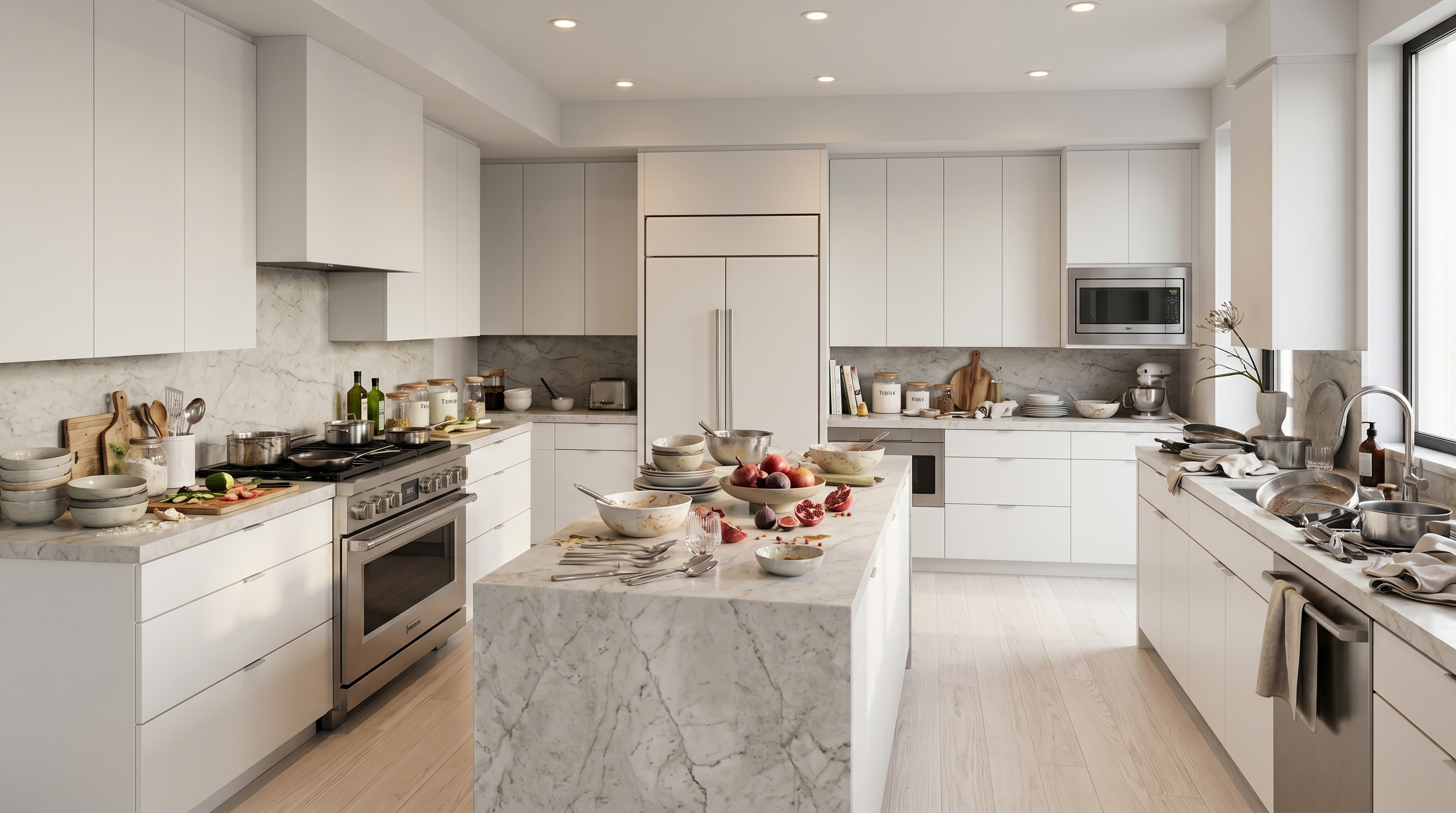
Open plan promised connection. What it delivered, in a lot of homes, was a kitchen permanently on display — every pan, every appliance, every half-finished dinner visible from the sofa. When the room is the house, the mess is the house too.
That tension has sharpened as homes took on more jobs. The kitchen now shares its air with conference calls, homework, and the noise of a dishwasher mid-cycle. The single great room that felt generous in 2010 feels relentless when three people are using it for three different things at once.
Interior designer Ethan Charles put the shift plainly to Homes & Gardens: "I don't think the open concept is ever going to completely disappear, but I do think we'll see people creating more of a designated private space for kitchens in 2026." The appeal, he noted, is partly freedom — separation lets you take bigger design risks — and partly the simple relief of keeping the inevitable mess out of sight.
The data says "bigger," not "more open"
Here is the counterintuitive part. The trade numbers don't show homeowners craving more open space — they show them annexing it. In the National Kitchen & Bath Association's 2026 Kitchen Trends Report, a survey of more than 600 industry professionals, 75% said kitchens are getting larger even when homes are not. That square footage has to come from somewhere, and it is coming from the rooms next door: 71% reported that dining rooms are shrinking, and 79% named eliminating the formal dining room as a leading way to make a kitchen feel larger.
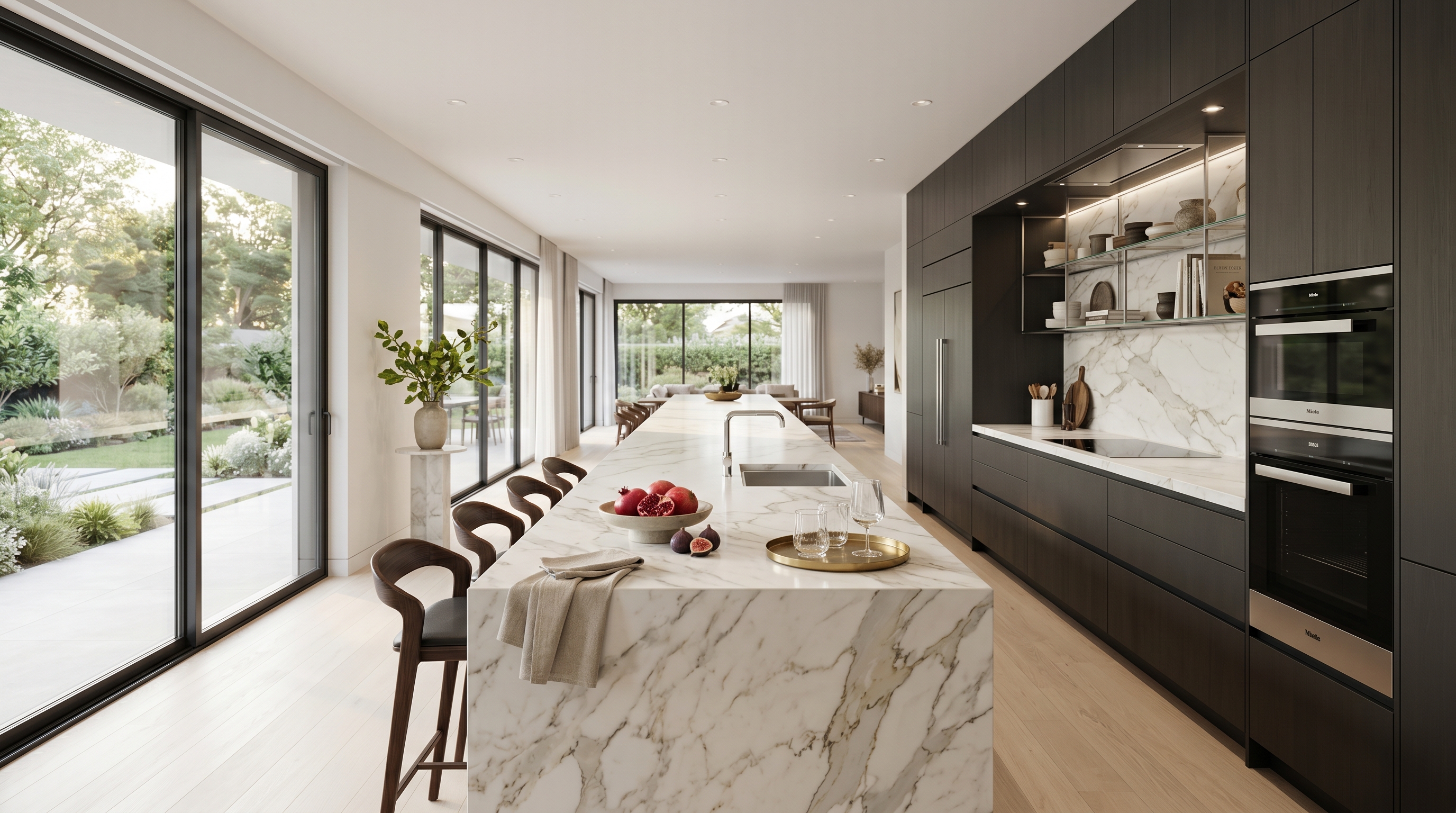
Read that carefully and it isn't a story about walls coming down. It's a story about the kitchen absorbing adjacent rooms and then needing to organize the result. A bigger kitchen with no internal structure isn't an open plan. It's a hangar.
Broken-plan is the actual answer
The replacement isn't the closed kitchen of the past. It's what designers have started calling broken-plan: soft separation that keeps the light and the sightlines while giving the cooking, eating, and living zones their own identity. A partial wall. A change in ceiling height. A glass partition. A back kitchen where the real work — and the real mess — happens out of view.
"Open-plan kitchens are still important, especially in smaller homes," interior designer Laura Stephens told Homes & Gardens, "however, clever zoning to create distinct areas — rather than one expansive room — will become more prevalent." The goal is containment without confinement: a space that feels whole but doesn't force every function to share the same square of floor.
This is the German instinct applied to layout rather than joinery. A well-engineered kitchen has always been a system of zones — prep, cook, clean, store — each given its place. Broken-plan simply extends that logic past the cabinetry and into the architecture of the room.
What to do before you knock through
The practical move is to design the separation first, not last. Before you decide where the island goes, decide what the kitchen should be allowed to hide — and from where. Stand at the sofa and ask what you want to see when the kitchen is at its worst, not its best. That single sightline will tell you where a wall, a screen, or a back kitchen earns its keep.
If you're building new or gutting to the studs, treat the formal dining room you're tempted to delete as raw material for that separation, not just square footage to swallow. And resist the urge to make the whole room one surface and one volume. The kitchens that will still feel considered in ten years are the ones with a hierarchy — a quiet front of house and a working back of house, even if the "back" is only a half-wall away. NKBA's own data shows the same homes that want bigger kitchens also want calmer ones; the research points squarely at separation as the relief valve.
The wall you took out wasn't the mistake. Taking out all of them was. The next decade of good kitchens won't be the most open ones — they'll be the ones that knew exactly where to stop.
Book a private showroom tour
If this changed how you're thinking about your next kitchen, the next step isn't another article. Book a private showroom tour and spend an hour with the BauTeam design team, one on one — walking through layout, zoning, and the line between open and overexposed in person. Our studios span the country, from Atlanta and Chicago to Dallas and New York. Reserve your private tour at the studio nearest you.