
Craft
The Induction Range Beats the Gas Range You Want
The gas range signals seriousness, but an induction range cooks faster, cleaner, and more precisely — and the best kitchens are quietly switching.
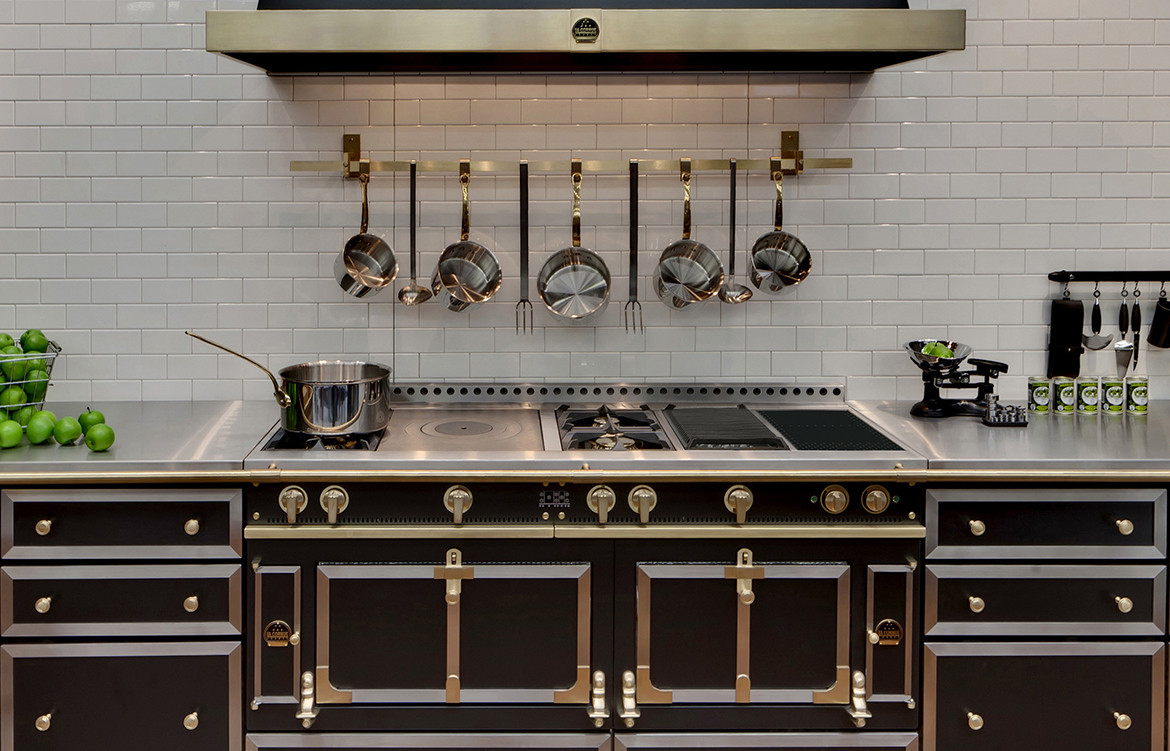
Walk through any high-end kitchen showroom and you will find the same centerpiece: a wide gas range with heavy grates and a row of machined knobs, radiating the promise that a serious cook lives here. It is the most dependable status object in the American kitchen. It is also, by nearly every measure that counts, the weakest appliance in the room.
The conventional wisdom says real cooks demand a flame. The induction range asks a harder question — what, exactly, is the flame doing for you? Look at the numbers and the answer gets uncomfortable. Gas lost the performance argument years ago. Most kitchens simply have not been told.
The Flame Was Always Theater
The appeal of gas is visual and cultural before it is functional. We associate the blue flame with restaurant lines and televised chefs, and a live fire feels like control you can see. But visible is not the same as precise. A flame heats the air and the pan's sides as much as its base, which is why a gas burner scorches the edge of a sauce while the center barely moves.
Induction skips the fire entirely. An electromagnetic field turns the pan itself into the heat source, so energy goes into the food instead of into the room. The response is instant — dial it down and the heat drops immediately, the way a flame never quite does. What you lose is the spectacle. What you gain is everything the spectacle was pretending to deliver.
Induction Wins the Metrics That Matter
This is not a close call. According to the U.S. Department of Energy, induction appliances are up to three times more efficient than gas stoves, and up to 10 percent more efficient than a conventional smooth-top electric range. Because the heat is generated in the cookware rather than lost to open air, almost none of it is wasted.
Speed follows efficiency. Consumer Reports testing found induction cooktops boil water 20 to 40 percent faster than the gas and traditional electric models they tested. The heating is also more even and more repeatable, which is why the professional pastry world — where a half-degree matters — moved toward induction long before the home market noticed. The home market is catching up: in a 2022 nationally representative Consumer Reports survey, nearly 70 percent of Americans said they would consider induction for their next range or cooktop.
The Blue Flame Is Polluting the Room
Here is the part the showroom will not mention. A gas range is the only appliance in your home you are advised to ventilate away from your family. A 2024 Stanford study published in Science Advances found that typical use of a gas or propane stove raises annual nitrogen dioxide exposure by about four parts per billion — three-quarters of the way to the level the World Health Organization considers unsafe outdoors, before a single outdoor source is counted.
The pollution does not stay in the kitchen. Researchers measured nitrogen dioxide breaching health benchmarks in bedrooms within an hour of cooking, and lingering there for hours after the burners were off. The same group estimates gas and propane stoves may be responsible for as many as 200,000 current childhood asthma cases in the United States, and that long-term exposure could contribute to as many as 19,000 deaths a year — roughly 40 percent of the toll attributed to secondhand smoke. Earlier Stanford work found a single burner on high can push indoor benzene, a carcinogen, above the levels found in secondhand tobacco smoke.
A good range hood helps, but only if it vents outdoors and you run it every time — and even then the study found spikes to unhealthy levels. Electric and induction stoves emit no nitrogen dioxide and no benzene at all. As the lead researchers put it, it is the fuel, not the food.
What to Specify Instead
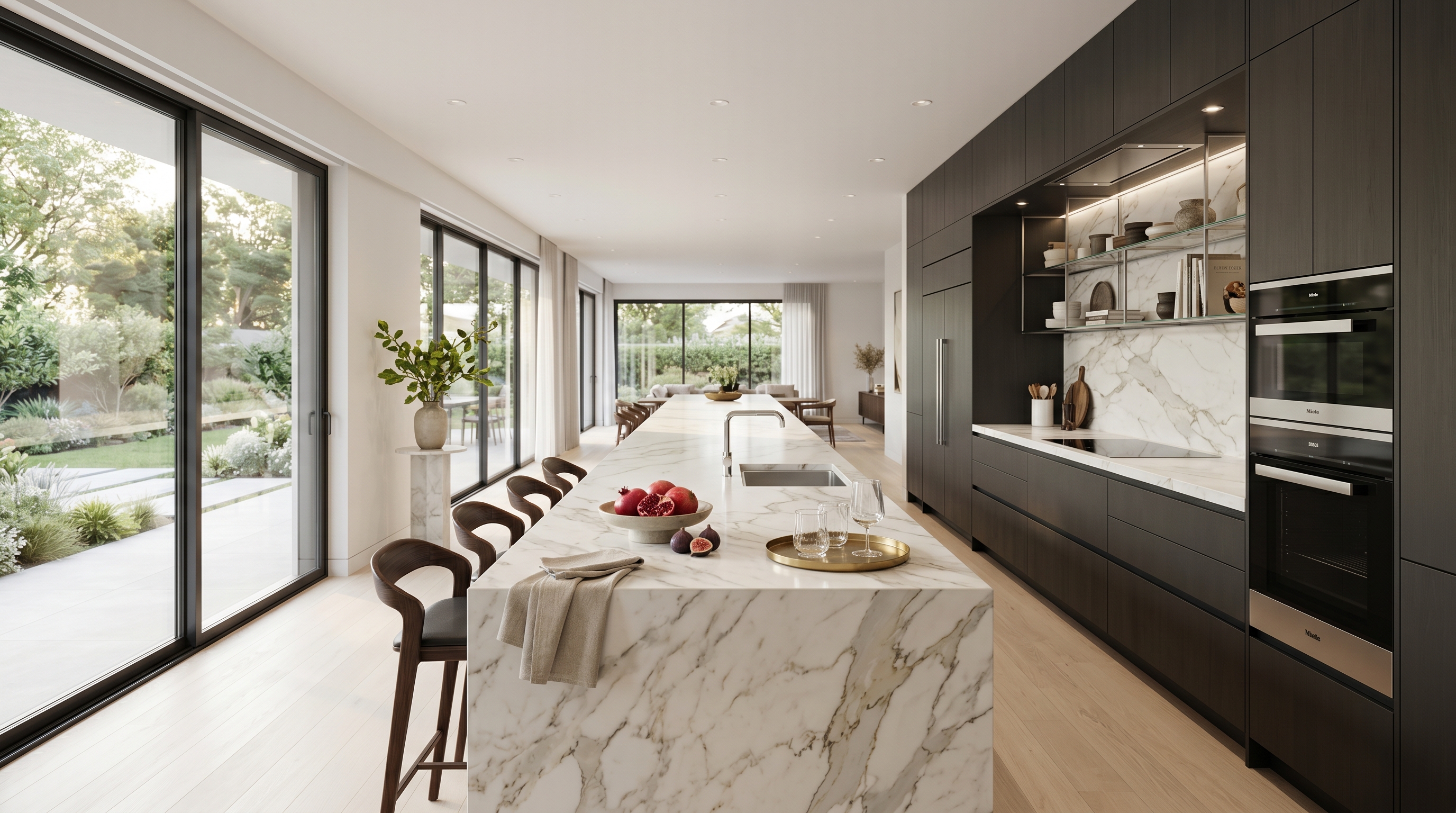
If you want the presence of a professional range without the drawbacks, specify induction. You keep the wide cooking surface, the flush integration, and the tailored look of a well-built German kitchen — and you lose the flame, the wasted heat, and the ventilation problem.
The real constraint is electrical, not aesthetic. A full induction range wants a dedicated 240-volt circuit, so the decision has to be made at the rough-in stage, not at the appliance counter. Confirm your cookware is magnetic, plan the breaker early, and still install a properly vented hood — food itself produces particulates no matter how you heat it. Do that and you have a kitchen that performs better than the one your neighbor is bragging about, and quietly poisons no one.
The flame sells the kitchen. It does not cook the food any better. Strip away the nostalgia and the gas range is a beautiful, underperforming heater you have to open a window to use. The best kitchens have already worked this out — they simply did it without the smoke.
Book a Private Showroom Tour
If this changed how you are thinking about your range, the next step is not another article. Book a private showroom tour and spend an hour with our design team, one on one — walking the surfaces, testing the induction, and planning the electrical before a single cabinet is ordered. Our studios span the country, from SoHo to the Dallas Design District, and every visit is unhurried and entirely your own.